Business Ideas by Age: 8 to 18
An eight year old and a sixteen year old can both wash a car for money. What differs is how much of the business the kid can carry, and matching that honestly is what stops you running it.
Parents ask what a kid can do at a given age, and the useful answer is that the ideas barely change. An eight year old and a sixteen year old can both wash a car for money.
What changes is how much of the business the kid can hold on their own, and matching that honestly is what makes the difference between a thing that runs and a thing you end up running.
What actually changes
Five things make a business somebody's: the price, the asking, the calendar, the money, and getting there. A younger kid holds one or two. An older kid can hold all five.
Age is a rough guide to which, and only a rough one. A careful eleven year old often holds more than a distracted fifteen year old, so treat the bands below as a starting point rather than a ruling.
The mistake worth avoiding is scaling the ambition instead of the ownership. A sixteen year old does not need a more impressive business than a ten year old. They need to be holding more of it.
Your kid wants to start a business.
The first move, what they actually need, and the ninety days that follow. Three parts: the first ten doors, what a kid actually needs to start legally, and the questions that show up after the first sale.
Get the free guideEight to ten
Reading together is normal at this age and often better than reading alone. The business will be simple, close to home, and for people who already know your family.
They can hold the price and say it out loud, which is the part that matters most, and they can do the work. Everything else is yours: the scheduling, the transport, anything electronic, and being physically present.
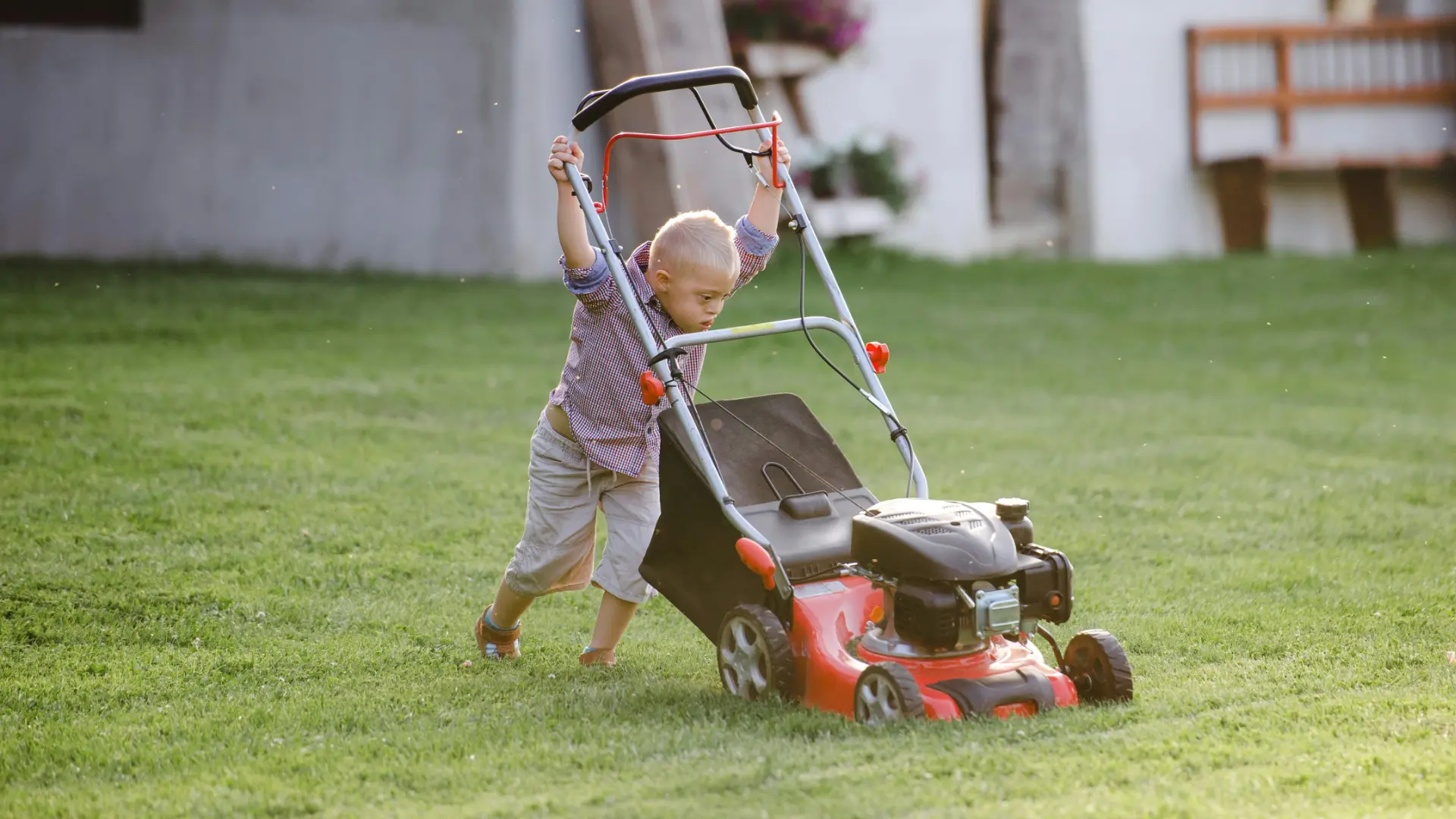
What works: car washing in your own driveway, pet visits for neighbors, a table at a market with you nearby, simple yard work without power equipment, helping an older neighbor with small tasks.
What does not: anything requiring an account, anything inside a stranger's home, and anything with a blade or heat.
The win at this age is small and specific. One customer who is not a relative, paying a price the kid named, is a complete success.
Eleven to twelve
Reading alone, working mostly alone. This is where a kid can start to explain what they do, follow up with somebody who did not answer, and keep track of what they earned against what they spent.
Still yours: the calendar, electronic money, and anything happening inside a house you do not know.
What works: dog walking, bin services, car cleaning, thrift flipping with your account, tutoring a younger kid, babysitting as a mother's helper with a parent home.
Sophie is twelve for exactly this reason. What she does needs no equipment, no license, and no permission beyond a ride, and the lesson is about buying rather than selling.
The thing to watch here is that a kid this age can genuinely do the work and will still route every conversation through you if you let them. Handing over the customer contact is the main move of this band.
Related guides



Thirteen to fifteen
The center of the range and the easiest band to get right. A kid here can run the whole thing with you nearby for rides, money, and anything requiring a signature.
Payment apps open up at thirteen with teen accounts on Venmo and Cash App, which removes a real practical constraint. Power equipment becomes a genuine conversation rather than an automatic no, though it depends entirely on the kid and the tool.
What works: most of the list. Lawn care, pressure washing with supervision, detailing, babysitting properly, tutoring, resale, making and selling.
This is also where the week five problem shows up hardest, because a kid this age has enough independence to quietly stop without anybody noticing for a couple of weeks.
Sixteen to eighteen
Can run it alone, and the interesting material shifts from starting to growing: repeat customers, raising prices, hiring somebody, and what to do with the money.
A driver's license changes the business more than any other single factor on this page, because the radius stops being walking distance and transport stops being yours.
This is also the band where the comparison with a job becomes real, and where the honest answer is that a business has a higher ceiling and less certainty. Plenty of teenagers do both.
Andre is sixteen, and what he runs into is not whether he can do the work. It is hiring somebody, carrying responsibility for work he did not personally do, and finding out that being good at the job is a different skill from running the thing.
Ideas this applies to



What does not change
Three things are identical at every age on this list.
The hardest part is always saying a price out loud to an adult. Not the work. An eight year old and an eighteen year old feel the same thing in that moment.
The kid has to choose the idea. A kid running a parent's idea is doing a chore with extra steps, at any age, and the resulting business belongs to the parent no matter who does the labor.
And small and finished beats big and abandoned. A ten year old with three customers has learned more than a sixteen year old with an elaborate plan and no revenue.
Matching the kid, not the age
Temperament decides more than birthdays do.
A quiet kid should not start with door knocking. Referrals from people who already know them, or something where the product does the talking, works far better. A kid who loves being outside should not be pushed toward resale because the margins look better on paper.
The other thing worth weighing is what already exists. A kid who already earns money doing something is in a completely different position from a kid starting cold, regardless of age, and the useful next step for them is taking over more of what they already run.
Action Plan
- Work out which of the five things your kid can already hold: the price, the ask, the calendar, the money, the transport.
- Pick an idea that fits what they can hold today rather than what you hope they will manage by summer.
- Below thirteen, start with people who already know your family. Familiarity does the work that a reputation will do later.
- Check whether the idea needs anything a minor legally cannot do, particularly accounts and contracts.
- Let them choose, even if you can see a better option. A kid running your idea is doing a chore.
- Hand back one more piece of it every month or so rather than all at once.
- Match the idea to the kid's temperament before their age. A quiet fifteen year old needs a different start from a loud one.
- Do not scale the ambition to the age. Small and finished beats big and abandoned at every age on this list.
Related Questions
Can a 12 year old start a business?
Yes, and twelve is one of the better ages for it. A twelve year old can set a price, explain what they do, follow up with somebody who did not answer, and track their money. Transport is the one they cannot hold, and electronic money and unfamiliar houses still need you. The failure mode at this age is not capability, it is letting every conversation route through a parent.
Get a more in-depth answer to:
Can a 12 year old start a business?How can a 14 year old make money?
Fourteen is awkward for jobs and good for working for yourself, since most employers will not hire you and nobody has that rule about mowing a neighbor's lawn. Nearly the whole list is available at this age: outdoor work like lawns and detailing, quieter options like babysitting and tutoring, and resale which works year round. Start with anything you can test for free before buying equipment.
Get a more in-depth answer to:
How can a 14 year old make money?How can a 16 year old make money without a job?
A job pays predictably on somebody else's schedule; working for yourself pays less at first, more later, and fits around school. What changes at sixteen is the radius, since driving removes the walking-distance limit. Charge adult rates for adult-quality work, and grow through repeat customers, density, and price rather than more hours. Hiring somebody becomes possible here too.
Get a more in-depth answer to:
How can a 16 year old make money without a job?What age can a kid start a business?
Most kids can run a simple service business by eight or nine, as long as an adult handles the money transfers, the scheduling, and anything involving a stranger's home. What changes with age is not capability, it is how much of the business the kid owns. A twelve year old can set a price and talk to a customer. A sixteen year old can hire a friend and manage a schedule.
Get a more in-depth answer to:
What age can a kid start a business?Who wrote this
David Daniel
Co-founder, Founder's Best Friend
David Daniel is the co-founder of Founder's Best Friend and ThriveSide, where he helps founders turn what they are good at into an offer people will actually buy. He created Young Founder to teach the same skill to kids, because being good at something and being able to sell it are two different things, and both can be learned.
Ninety days from a feeling to a first sale
The novel, the workbook, the Parent Guide, the Door Knock Guide, twenty five idea cards, and a ninety day sprint map. Built so a kid runs it and you coach.
A program from Founder's Best Friend. Built for kids 8 to 18 who want something of their own.