A Gift Guide for the Kid Who Wants to Make Money
Most gifts for a kid who likes business are simulations that end up in a drawer by February. One question rules out the category, and the kid who already earns needs something nobody buys them.
Walk into any shop looking for a gift for a kid who likes business and you will find simulations. Play money, a toy register, a board game about property, a box that explains what profit is.
None of them are bad. They are just answering a question the kid did not ask. A kid who wants to make money does not want to understand money in the abstract. They want somebody to hand them twenty dollars for something they did.
The test
Before buying anything, ask one question. Does this survive contact with a real customer?
A toy cash register does not. It works beautifully in a living room and it has no use the moment an actual neighbor is standing there. A decent hose nozzle, a folding table, a scale, or a set of business cards with a real phone number on them all survive, because they are used in front of somebody who is paying.
That single test rules out most of the category, and it is the reason so many of these gifts end up in a drawer by February. They were never going to be used for anything, because the business they were built for was imaginary.
Your kid wants to start a business.
The first move, what they actually need, and the ninety days that follow. Three parts: the first ten doors, what a kid actually needs to start legally, and the questions that show up after the first sale.
Get the free guideWhich kid are you buying for?
There are three, they need different things, and almost everybody buys for the first one by default.
The kid who has not started. Their problem is not equipment. It is that they have no idea what they would actually do, and every suggestion they think of feels either too big or too embarrassing. What helps is ideas and a first step small enough to take.
The kid with an idea and no momentum. They know what they want to do and have not asked anybody. Their problem is the conversation, not the kit. What helps is anything that makes the first ask easier, including the words.
The kid who already earns. Forty dollars on a Saturday, two or three customers, a business that works and has not grown in months. This kid is the easiest to buy for well and almost nobody does it, because the gift that helps them is specific rather than generic.
For the kid who already earns
Ask one question and you will buy better than anyone else in the family. What slows you down the most?
The answer is rarely the obvious thing. It is almost never a better version of the main tool. It is the extension cord that is too short, the bags they run out of halfway through, the fact that everything has to be carried in two trips, or that they have no way to take a payment that is not cash.
Buying the thing that removes a real bottleneck lands completely differently from buying the thing that looks like their business. One says I looked at what you do. The other says I know you have a lawn thing.
The other strong gift for this kid is a way to look professional to an adult. Cards with a real number. A shirt with a name on it. A sign that is not handwritten. Kids are taken more seriously than they expect once they look like they meant it, and that is worth more than another tool.
Related guides



Gear, and when it is a mistake
Gear is the default gift and it has a specific failure mode.
Buying equipment before anybody has paid for anything creates pressure. Now there is a machine in the garage, the kid feels watched, and the business owes something before it has earned anything. That is the fastest way to make a thing they were curious about feel like an obligation.
So gear is a good gift when demand already exists and a poor one when it is meant to create demand. If your kid has customers waiting, buy the thing. If your kid has a vague interest, the gear will sit there and quietly become a reminder that they did not follow through.
There is a version of this that works either way: something borrowable and general rather than specific. A good ladder, a decent vacuum, a folding table. Useful to the household regardless, and available if the business needs it.
Money, and how to make it not vanish
Cash is a perfectly good gift here and it disappears without a trace unless it arrives with a purpose attached.
A purpose is not a rule. Telling a kid they have to save half is a condition on their own money and it tends to produce resentment rather than saving. A purpose is a job the money has been given.
Three that work. Seed money for the first real supplies, released once somebody has said yes to a price. A match, where you double whatever they earn in the first month. Or a fund for one specific tool they have been talking about, which turns a number into a thing.
The match is the strongest of the three, because it rewards the part that is hard rather than the part that is fun. Nobody needs encouragement to spend. Plenty of kids need a reason to ask a neighbor.
Ideas this applies to
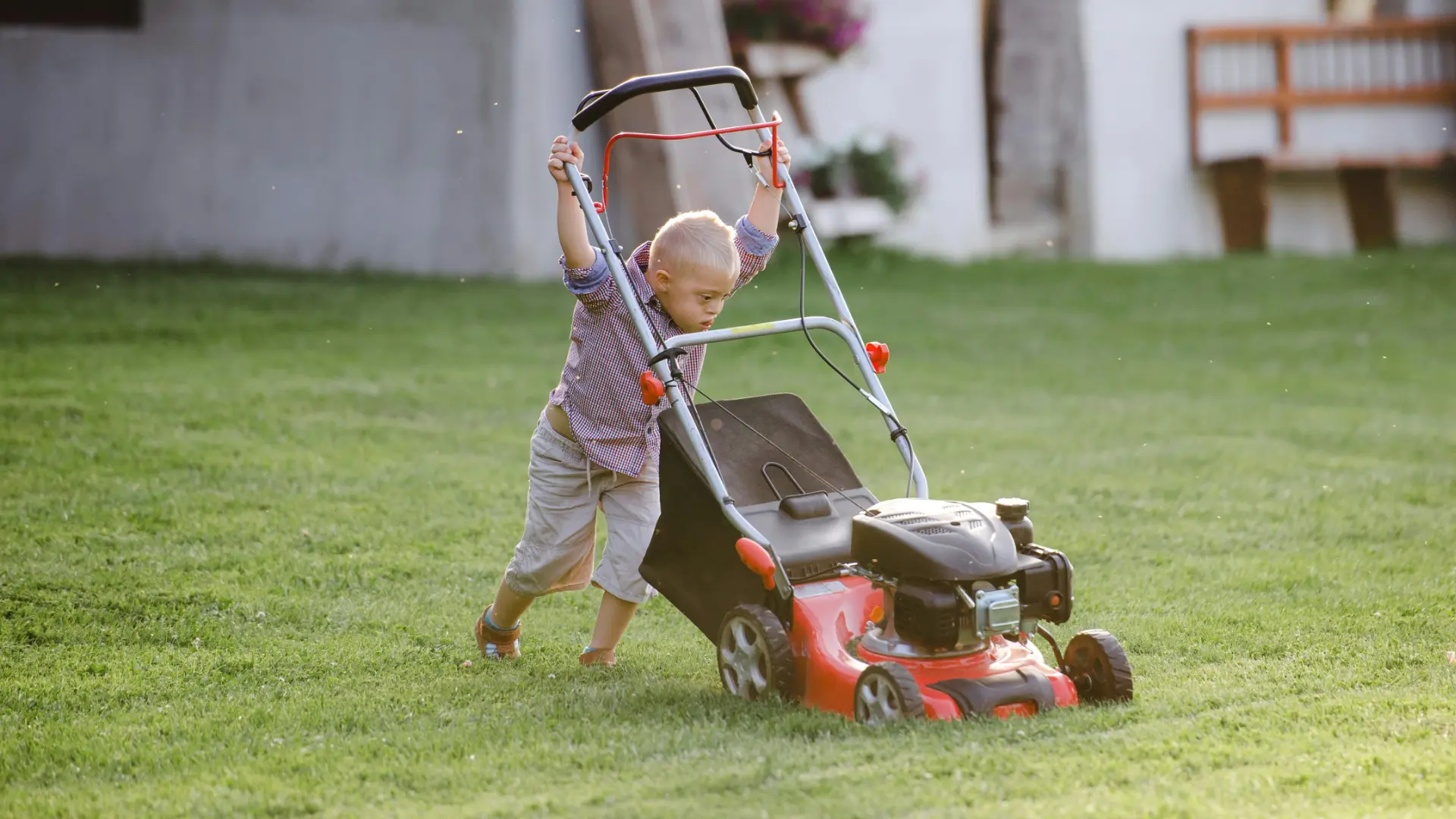
Gifts that are not objects
The best thing on this list does not come in a box.
A contribution to a custodial Roth IRA, matched to what they earned this year, is unromantic on the day and worth more than everything else here combined. Earned income from mowing or babysitting qualifies, and money going in at fourteen has decades to do something. Pair it with something they can actually open, because nobody wants to unwrap a brokerage confirmation.
Time is the other one. Driving them to a market, being the adult who sits nearby while they run a table, or being on the phone while they make the first call. Those are worth more than anything purchasable and they are also the hardest to give, which is why they rarely get offered.
What to skip
Simulations, for the reason above. Anything where the money is pretend.
Books about mindset, at least as the main gift. A teenager who wants to make money will not read a book about wanting to make money. A book with a story in it is a different thing entirely.
Subscriptions to anything they did not ask for, which become a monthly reminder of an interest somebody else had for them.
And anything that arrives with instructions about how they should use it. A gift with an assignment attached is not a gift, and kids detect that instantly.
Action Plan
- Work out which kid you are buying for. Has not started, has an idea, or already earning. The three need completely different gifts.
- Apply the test before buying anything: does this survive contact with a real customer, or does it only work in the living room?
- If they have not started, give the idea rather than the gear. Gear bought before demand becomes a debt.
- If they already earn, ask what slows them down most and buy that. It is almost never the obvious thing.
- If you give money, attach a purpose rather than a rule. A float, a match, or a fund for the first real tool.
- Consider a Roth contribution matched to what they earned this year. Unromantic on the day, worth more than anything else here.
- Skip the simulations. Play registers, pretend money, and anything where the business is imaginary.
- Whatever you give, let them decide how to use it. A gift with instructions attached is an assignment.
Related Questions
What is a good gift for a kid who wants to start a business?
Ask one question first: does this survive contact with a real customer? Play money and toy registers do not, which is why most of these gifts end up in a drawer. What works depends on which kid you have. A kid who has not started needs ideas rather than gear, because equipment bought before demand creates pressure. A kid who already earns needs whatever removes their actual bottleneck.
Get a more in-depth answer to:
What is a good gift for a kid who wants to start a business?What do you get a kid who already has a business?
Do not buy them another idea. A kid who already mows three lawns has solved the hardest problem, and handing them a fresh start quietly says the thing they built does not count. Ask what slows them down most and buy that, because it is almost never the main tool and usually something small. Cards with a real number, or a match on what they earn, both land better than gear.
Get a more in-depth answer to:
What do you get a kid who already has a business?Are business kits for kids actually worth it?
It depends on what the kit ends with, so ask that directly: a real customer paying real money, or a completed workbook? Much of the category is a simulation at a similar price. Also check whether it tells a kid what to do on Saturday, whether the parent ends up teaching it, and whether it handles the asking, which is the actual obstacle. None of them work for a kid who is not interested.
Get a more in-depth answer to:
Are business kits for kids actually worth it?What are good Christmas gifts for an entrepreneurial kid?
Christmas has one advantage and one trap. The advantage is that it lands right before January, when unstructured time and a new year make starting something feel natural. The trap is weather, since most obvious kid businesses are outdoor and seasonal, so a lawn setup given in December means four months of looking at it. Give something that works in winter, or give the choosing and testing part and let the doing start in spring.
Get a more in-depth answer to:
What are good Christmas gifts for an entrepreneurial kid?Who wrote this
David Daniel
Co-founder, Founder's Best Friend
David Daniel is the co-founder of Founder's Best Friend and ThriveSide, where he helps founders turn what they are good at into an offer people will actually buy. He created Young Founder to teach the same skill to kids, because being good at something and being able to sell it are two different things, and both can be learned.
Ninety days from a feeling to a first sale
The novel, the workbook, the Parent Guide, the Door Knock Guide, twenty five idea cards, and a ninety day sprint map. Built so a kid runs it and you coach.
A program from Founder's Best Friend. Built for kids 8 to 18 who want something of their own.