Safety Rules for a Kid Who Works for Neighbors
Vague worry produces either a blanket no or a shrug. The actual risks are equipment, property damage, and being somewhere hard to leave, and each has a rule a kid can follow.
A parent's first real hesitation is usually not about whether the business will work. It is about a kid walking up to a house they do not know and knocking on the door.
That instinct is worth taking seriously and it is also worth being precise about, because vague worry tends to produce either a blanket no or a shrug, and neither is useful.
The real risks and the feared ones
The feared risk is a stranger. The actual risks, in rough order of how often they happen, are a kid getting hurt using equipment beyond their competence, a kid damaging somebody's property, and a kid ending up somewhere they cannot easily leave.
None of those are reasons not to do this. They are reasons to be specific, because a specific rule can be followed and a general anxiety cannot.
The goal here is not eliminating risk. It is a kid who can tell when something is off and knows they are allowed to act on it. That skill transfers to every part of their life and it only develops with some real exposure.
Your kid wants to start a business.
The first move, what they actually need, and the ninety days that follow. Three parts: the first ten doors, what a kid actually needs to start legally, and the questions that show up after the first sale.
Get the free guideKnocking on doors
Five rules cover almost all of it.
Daylight only. No exceptions, including winter afternoons that get dark early.
Streets they know. Start with the block they live on, then neighboring ones. Familiar streets mean familiar faces and a route home.
Never go inside. The whole conversation happens at the door. This one is worth stating as an absolute, because a kid with an absolute does not have to make a judgment call while somebody is being friendly at them.
Somebody knows the route. Which streets, roughly how long. For a younger kid, an adult at the sidewalk.
Phone if they have one. Not a monitor, just a way to reach you.
Younger kids should go in pairs or with an adult nearby. The adult should be visible and uninvolved, which sounds like a small distinction and is the whole thing. Standing at the end of the drive while your kid does the talking is support. Doing the talking is taking the business.
Give them an exit sentence and practice it, because a kid who has not rehearsed one will freeze. Thanks anyway, I have to get going, said while already stepping back, works fine and needs no justification.
Going inside somebody's house
Some work happens indoors. Babysitting, pet care, tech help, tutoring.
The distinction that matters is not inside versus outside, it is known versus unknown. A family you know from church, school, or the street is a different situation from somebody who answered a flyer, and the second one needs an adult involved before anything is agreed.
For any indoor work: you know the address, you know roughly when it starts and ends, and your kid has a way to reach you. For a first job with a new family, meet them. That is normal and no reasonable person finds it strange.
The rule that matters most is the one about leaving. If a kid feels uncomfortable, they can leave, immediately, without explaining themselves to anybody and without worrying about the money or being rude. Say that out loud and mean it, because a kid who thinks they will be in trouble for abandoning a job will stay somewhere they should not be.
Related guides
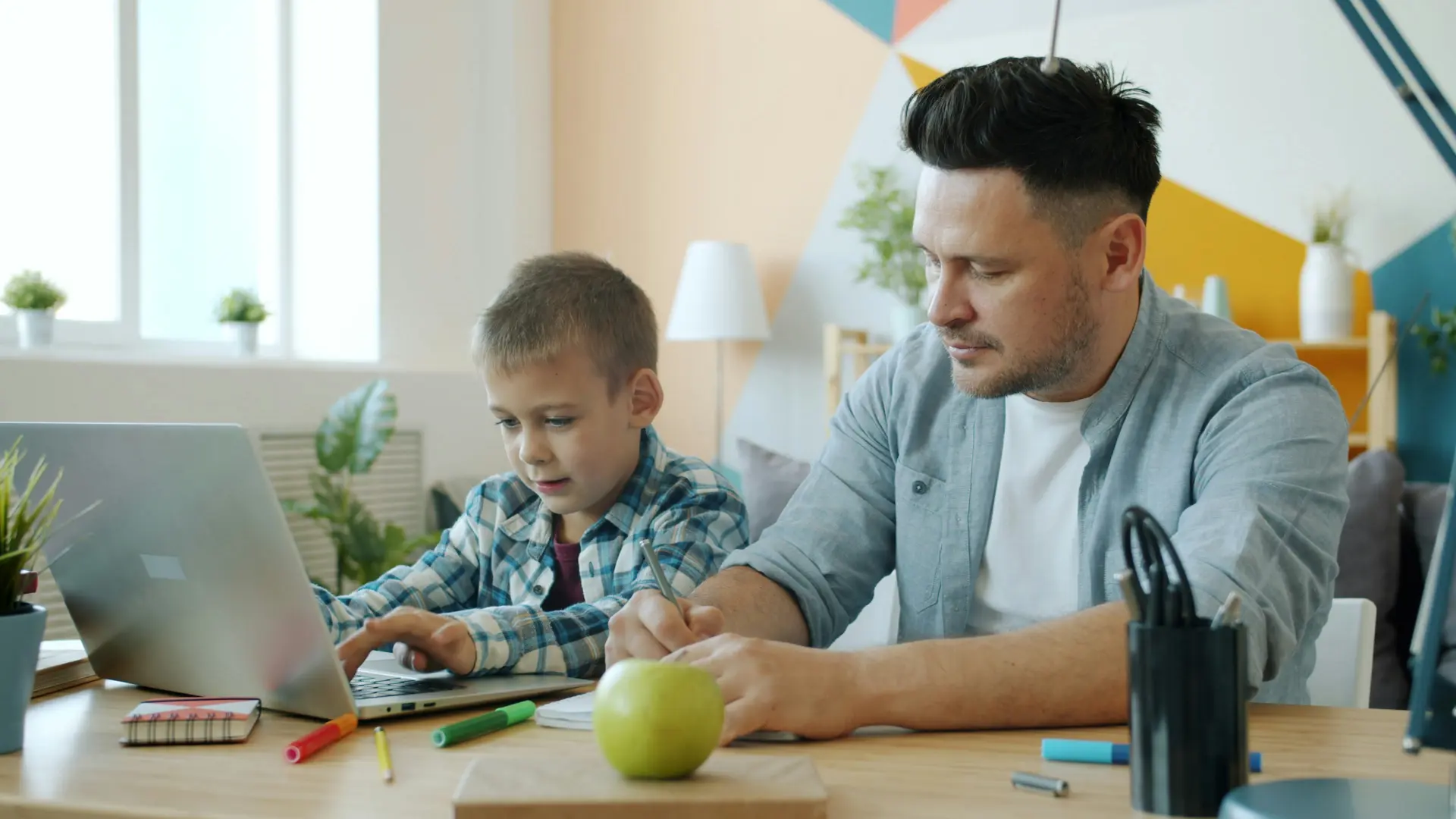


Tools and equipment
This is where kids actually get hurt, and it gets far less attention than doors.
The honest questions: can they physically control it, do they understand what happens when it goes wrong, and have they done it under supervision enough times?
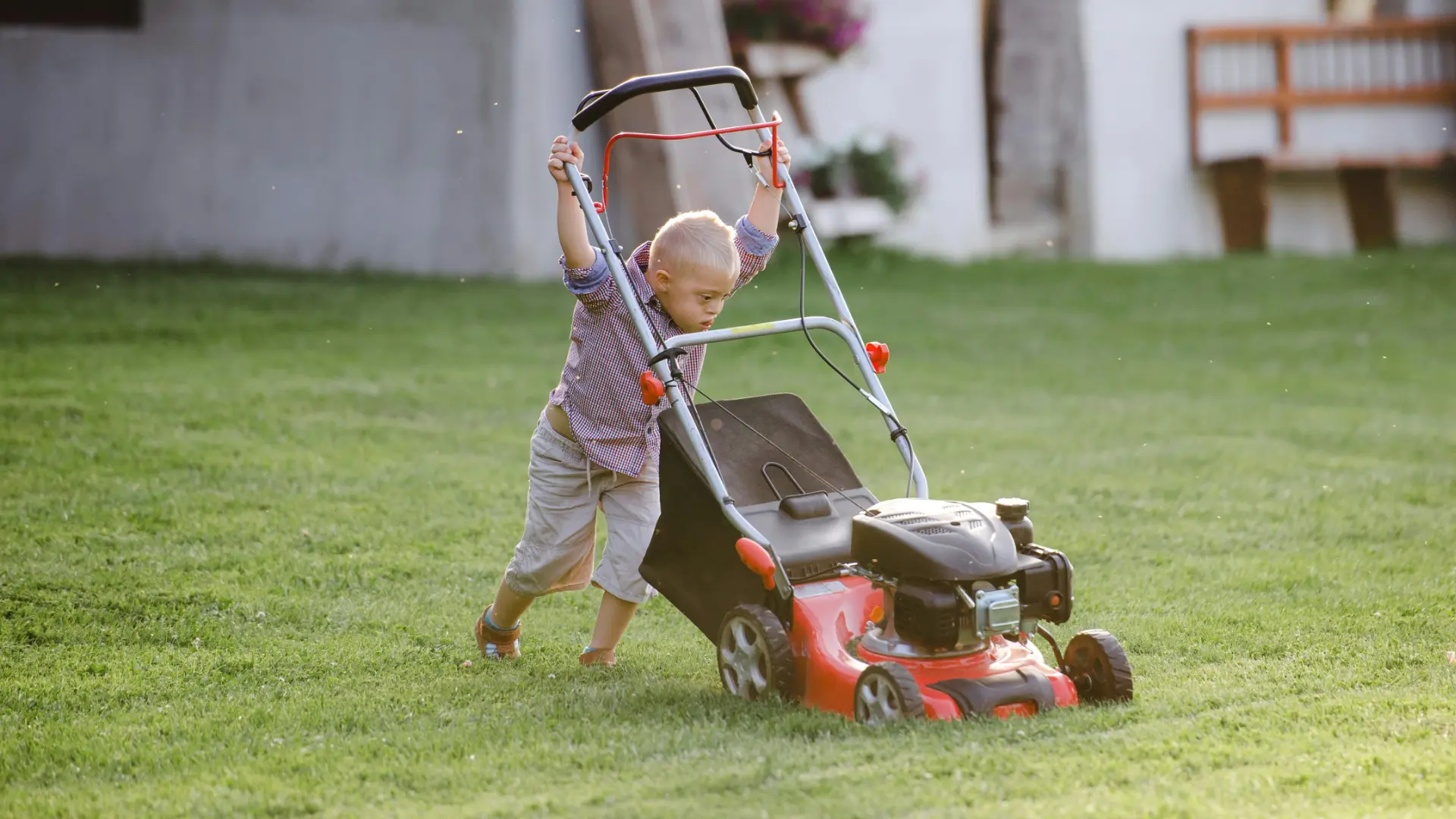
Mowers deserve more caution than they usually get. Anything with a blade, anything with heat, and anything that throws debris needs real supervision before solo use. Pressure washers are commonly underestimated, since the pressure that strips paint does unpleasant things to skin.
Ladders and heights are the clearest line. Gutters and second-story windows are worth saying no to, and that no should hold even when a kid argues well, because a fall is not a lesson anybody recovers a business from.
The standard worth applying: a kid should be able to tell you what would go wrong before they do it. A kid who cannot name the failure mode is not ready to work unsupervised, regardless of how many times they have watched.
Money and property
Two small habits prevent most disputes.
Photograph a property before starting. The scratch that was already on the car, the cracked paver, the dead patch of grass. Thirty seconds, and it resolves nearly every argument about whether something was already damaged.
And carry less cash than feels natural. A kid collecting from eight houses is walking around with real money, which is worth thinking about regardless of how safe the neighborhood is. Monthly billing solves this incidentally, which is one more reason to do it.
Ideas this applies to


Selling online
Resale is one of the best businesses on the list and it has its own rules.
The account belongs to an adult, because platform terms require it and because a minor cannot agree to them anyway. Meet-ups happen in daylight in a public place, ideally a police station lot, with an adult present. Never at your house, and never at theirs.
Photos should not include the house number, the street sign, or anything identifying in the background. Kids do not think about this and it is worth checking before anything is listed.
The scams in this space are specific and predictable: overpayment, a request to move off the platform, urgency about a shipping arrangement. Worth naming them in advance so a kid recognizes the shape rather than having to work it out under pressure.
Teaching judgment rather than rules
Rules cover the situations you anticipated. Judgment covers the rest, and the goal is a kid who has some.
That means debriefing rather than just instructing. After the first few jobs: what felt fine, what felt off, what would you do differently. A kid who is asked those questions starts asking them of themselves.
It also means the rule that overrides every other rule. A bad feeling is enough. They do not have to justify it, be sure, or be able to explain what was wrong. They can leave, and they will not be in trouble, and the money does not matter.
A kid who knows that is safer than a kid with a longer list.
Action Plan
- Agree the door rules before the first knock: daylight, known streets, never inside, and someone knows where they are.
- Go with them the first time and stay at the sidewalk. Visible, not involved.
- Teach the exit sentence and practice it at home so it is available under pressure.
- Decide together which jobs are inside their competence and which are a no, and hold the no.
- For any power equipment, supervise until they can name what would go wrong before it does.
- Photograph a property before starting work. It resolves nearly every dispute.
- Set a rule that a bad feeling is enough to leave, with no explanation needed to anybody.
- Debrief after the first few jobs. What felt fine, what felt off, what would you do differently.
Related Questions
Is it safe for my kid to knock on doors?
With rules, yes. Daylight only, streets they know, never go inside, somebody knows the route, and a way to reach you. Go along the first time and stand at the sidewalk, visible and uninvolved. Practice an exit sentence in advance so it is available under pressure. Above all of it: a bad feeling is enough to leave, with no justification owed to anybody.
Get a more in-depth answer to:
Is it safe for my kid to knock on doors?What age can a kid babysit alone?
Most states set no minimum age for babysitting, though some publish guidance on leaving a child home alone, so check locally. Since the law mostly does not decide it, readiness does: can they handle a boring emergency calmly, will they call early rather than waiting, and have they done it with an adult home first? Red Cross training for roughly eleven to fifteen year olds helps, and parents like seeing it.
Get a more in-depth answer to:
What age can a kid babysit alone?Can my kid use a lawn mower or power tools?
There is no single age, so use a standard: a kid should be able to tell you what would go wrong before they do it. If they cannot name the failure mode they are not ready to work unsupervised. Mowers get treated too casually, pressure washers are the most underestimated item on the list, and ladders and heights are worth a flat no that survives a good argument.
Get a more in-depth answer to:
Can my kid use a lawn mower or power tools?How do I keep my kid safe selling online?
The account belongs to you since platforms require adults, and your kid does the work: photos, descriptions, pricing, messages. Meet-ups happen in public in daylight with you there, ideally a police exchange lot, never at anyone's house. Check every photo for house numbers and identifying backgrounds before listing. Name the common scams in advance so your kid recognizes the shape under pressure.
Get a more in-depth answer to:
How do I keep my kid safe selling online?Who wrote this
David Daniel
Co-founder, Founder's Best Friend
David Daniel is the co-founder of Founder's Best Friend and ThriveSide, where he helps founders turn what they are good at into an offer people will actually buy. He created Young Founder to teach the same skill to kids, because being good at something and being able to sell it are two different things, and both can be learned.
Ninety days from a feeling to a first sale
The novel, the workbook, the Parent Guide, the Door Knock Guide, twenty five idea cards, and a ninety day sprint map. Built so a kid runs it and you coach.
A program from Founder's Best Friend. Built for kids 8 to 18 who want something of their own.