The First Ten Customers: A Script for Kids Who Hate Asking
A three part sentence, ten real names, and the single question to ask after every finished job. Written for the kid who would rather do anything than ask a person for money.
If asking people for money makes you want to throw up a little, you are normal. Almost nobody enjoys this at first. The good news is that it is a script problem, not a personality problem, and scripts can be practiced.
Your first ten are people who know you
Write down ten real names. Not neighbors, names. Some kids think this is cheating, like a real business would start with strangers. It would not. Almost every business on earth started with people who already knew the founder.
Ninety days from a feeling to a first sale
The novel, the workbook, the Parent Guide, the Door Knock Guide, twenty five idea cards, and a ninety day sprint map. Built so a kid runs it and you coach.
See what is insideThe sentence
Three parts, in this order. What you do. What it costs. When you could do it.
I clean out cars. Twenty five dollars, inside and out. I could do yours Saturday morning.
That is the whole thing. No explaining why you started, no apologizing for your age, no asking if they think it is a good idea. Say it, then stop talking. The silence after is uncomfortable for about two seconds and then they answer.
The price is the part most kids get wrong, and they almost always go too low. Work out what the job is actually worth before you knock on anything.
Make it easy to say no
This sounds backwards and it is the most useful trick here. End with something that gives them an exit. Want me to put you down for Saturday, or is this not your thing?
People say yes more when refusing is comfortable, because they are not braced for a fight. You are not trying to trap anyone. You are trying to find the people who actually want it.
Related guides




What to do when they say no
Say thanks and ask one question: do you know anybody who might want it? A no often turns into a name, and a name from someone they know is worth more than a stranger.
Then keep count of no answers on purpose. Ten no answers is not ten failures, it is data telling you the offer or the price needs a change. A kid who gets zero no answers has not asked enough people.
The part almost everyone skips
After you finish a job and the person is happy, right then, ask this: do you know one other person who might want this?
Right then matters. They are looking at a clean car or an empty bin and they are pleased with you. That is the moment the answer is yes. A week later it is a text they mean to reply to.
One referral request per happy customer, every single time, is how a business goes from three customers to ten without any advertising at all.
Ideas this applies to


Then go back to the same people
The easiest sale you will ever make is the second one to somebody who already paid you once. They know you show up. You know what they want. Nobody has to be convinced of anything.
Chasing new customers feels like progress, but ten people who use you every month beats fifty who used you once. It is also a lot less work, which matters when you have homework.
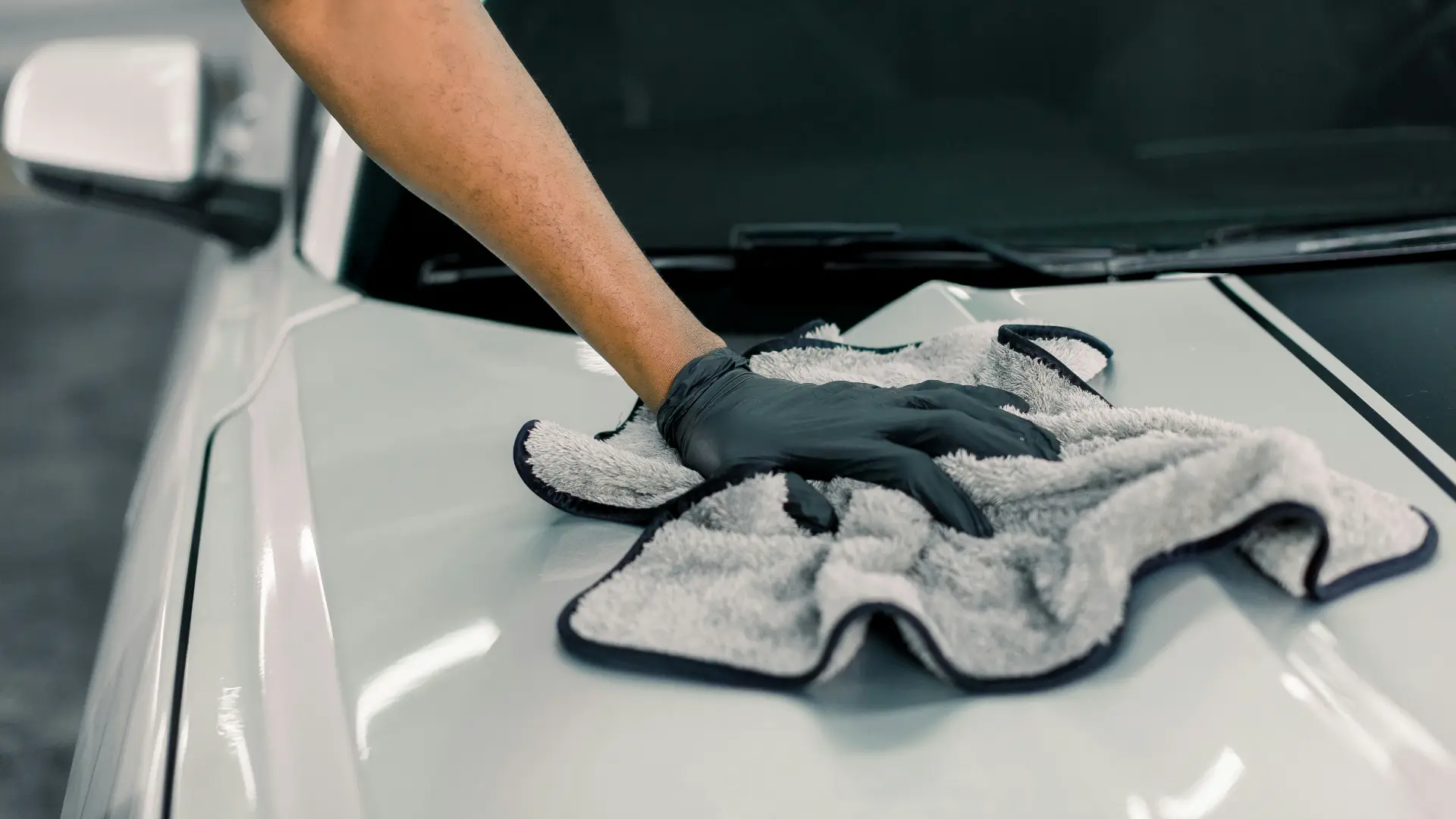
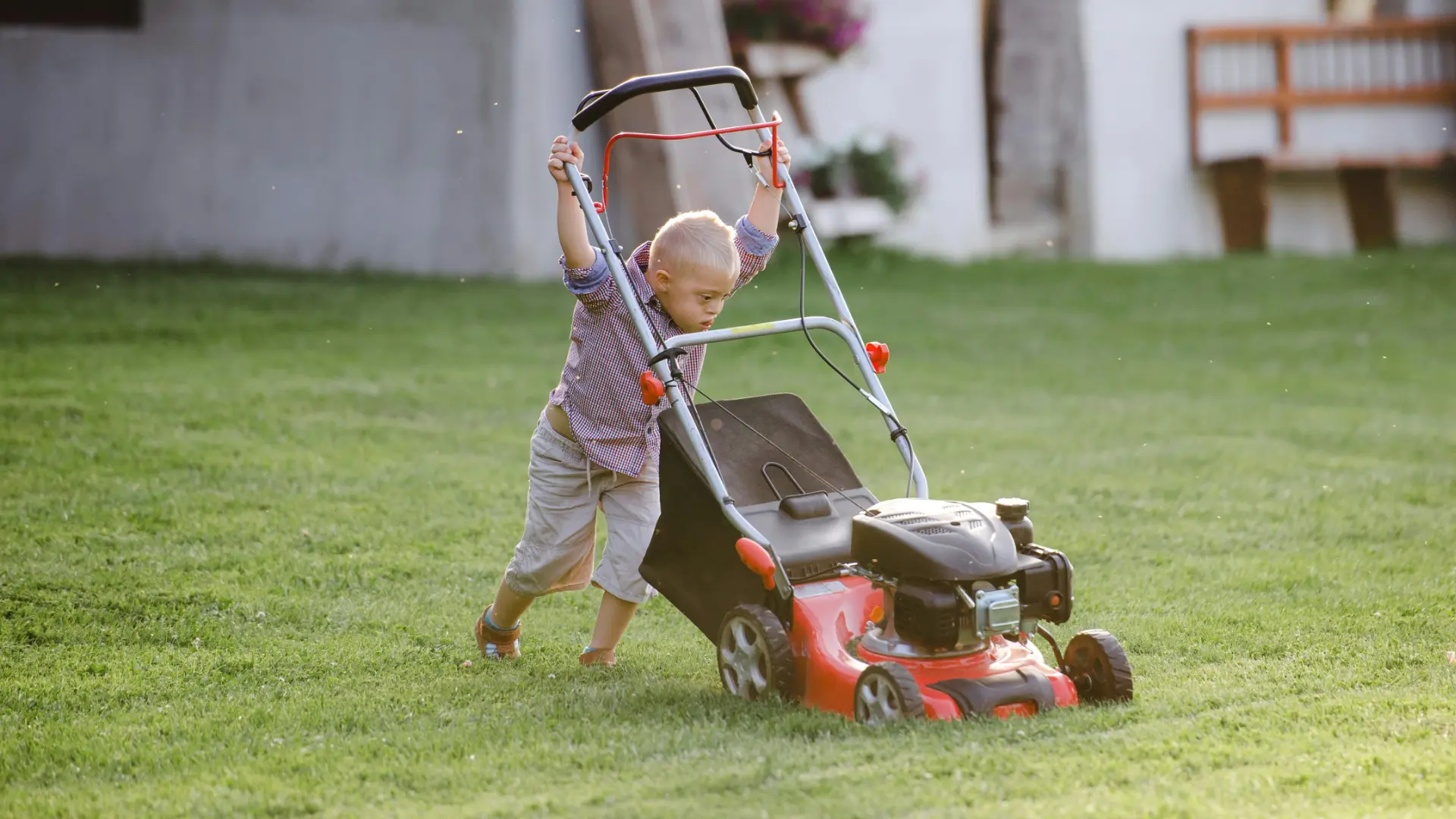
Some businesses are built for this. Taking bins out repeats every week without anyone asking. Lawn mowing regrows whether anyone feels like it or not. Car detailing and bin cleaning both work as standing arrangements.
Action Plan
- Write down ten real names. People who know you. Do this before anything else.
- Decide your price first, using the pricing method, so the sentence has a real number in it.
- Write your three part sentence out and say it aloud five times. What you do, what it costs, when you could do it.
- Practice the exit line: or is this not your thing?
- Ask all ten. Keep a tally of yes and no. Zero no answers means you have not asked enough people.
- After every no, ask the one question: do you know anybody who might want it?
- After every finished job, while they are happy, ask for one referral. Every time.
- Before chasing anyone new, go back to the people who already paid you once.
Related Questions
How does a kid find their first customer?
From people who already know them, and by asking directly rather than advertising. The first customer is almost never a stranger; it is a neighbor or a relative who says yes partly because they like the kid, and that is how most businesses actually begin. Ten specific people asked out loud will beat a hundred flyers.
Get a more in-depth answer to:
How does a kid find their first customer?How should a kid decide what to charge?
Start from what the job is worth to the customer, not from what feels polite to ask, because most kids underprice by pricing their own discomfort. Find what an adult business nearby charges, count the real time including travel and cleanup, then set a number your kid can say out loud without flinching. If they flinch, the problem usually is not the price.
Get a more in-depth answer to:
How should a kid decide what to charge?What age can a kid start a business?
Most kids can run a simple service business by eight or nine, as long as an adult handles the money transfers, the scheduling, and anything involving a stranger's home. What changes with age is not capability, it is how much of the business the kid owns. A twelve year old can set a price and talk to a customer. A sixteen year old can hire a friend and manage a schedule.
Get a more in-depth answer to:
What age can a kid start a business?How much money does a kid need to start a business?
Nothing, if the first step is testing whether anyone wants it. Every idea in the Young Founder library starts with a free test, because the fastest way to lose a kid's interest is to spend forty dollars on supplies for a business nobody asked for. Gear comes out of the first paying customer, not out of your wallet.
Get a more in-depth answer to:
How much money does a kid need to start a business?Who wrote this
David Daniel
Co-founder, Founder's Best Friend
David Daniel is the co-founder of Founder's Best Friend and ThriveSide, where he helps founders turn what they are good at into an offer people will actually buy. He created Young Founder to teach the same skill to kids, because being good at something and being able to sell it are two different things, and both can be learned.
Ninety days from a feeling to a first sale
The novel, the workbook, the Parent Guide, the Door Knock Guide, twenty five idea cards, and a ninety day sprint map. Built so a kid runs it and you coach.
A program from Founder's Best Friend. Built for kids 8 to 18 who want something of their own.