How Much Should a Kid Charge? A Method That Works
Most kids name a price that is half what the work is worth, because they are pricing their own discomfort rather than the job. Three steps to a first price, and the flinch test that tells you whether it will hold.
Ask a kid what they should charge and most will name a number that is roughly half of what the work is worth. This is not a math problem. They are pricing how it feels to say the number to an adult, and shaving it until it stops feeling rude.
Start from the result, not the hours
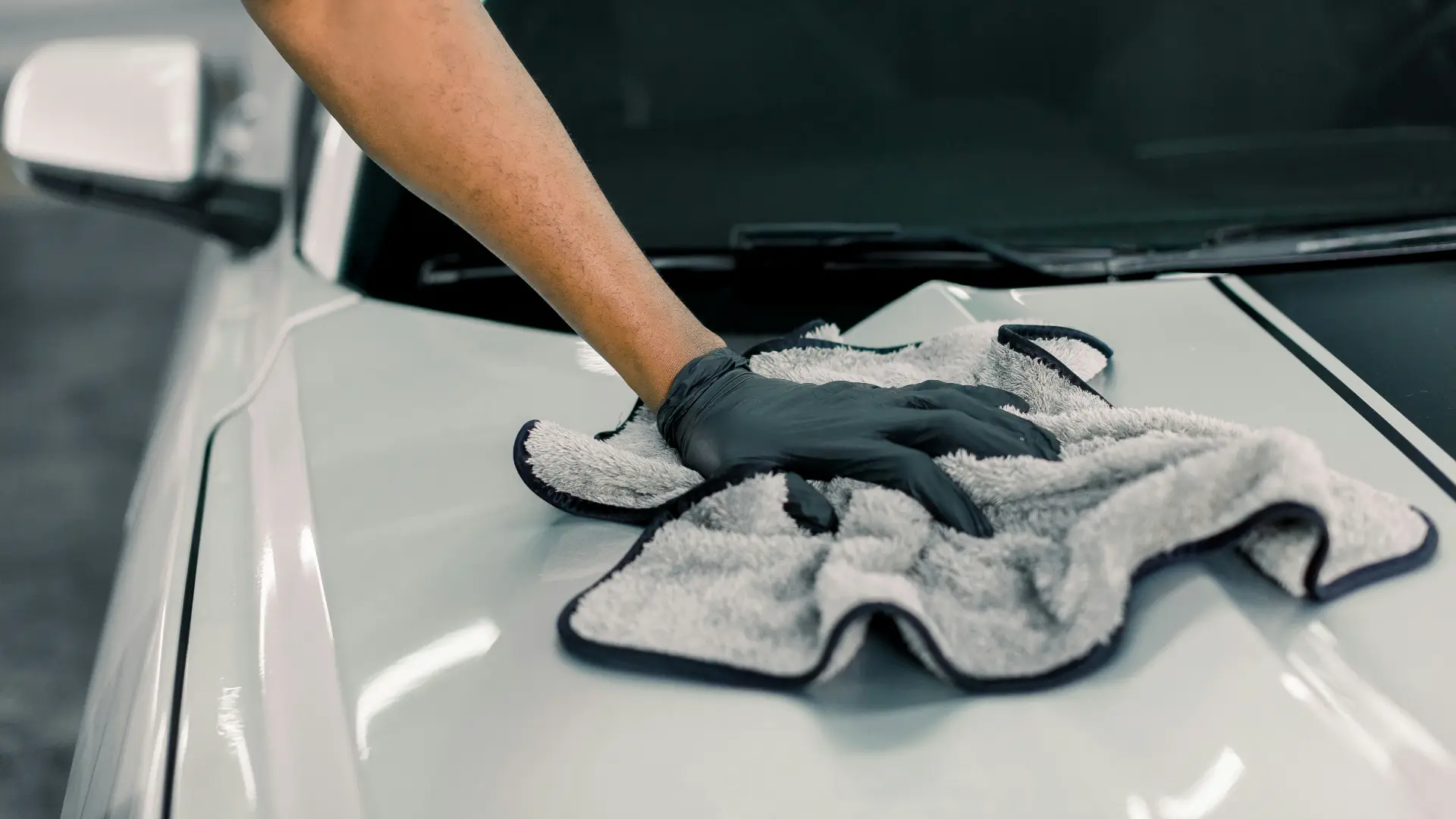
A clean car is worth what a clean car is worth. If your kid gets fast and does it in forty minutes instead of two hours, the car is not worth less. Pricing by the hour punishes them for getting good, which is exactly backwards.
So the first question is not how long will this take. It is what is this worth to the person who does not want to do it.
See which business fits your kid
Five questions about age, budget, time, and what they actually like doing. Four matched ideas at the end, free, with no email needed to see them.
Take the quizThree steps to a first price
Find the adult price. Search what a local business charges for the same job. Your kid is not going to match it, but now they know the ceiling. If a detailing shop charges a hundred and twenty, then twenty five is not cheeky, it is cheap.
Count the real time. Not just the work. Getting there, setting up, cleaning up, and the trip home. A job that pays fifteen and eats two hours is a job that pays less than it looks.
Set a number they can say. Then check it against the alternative: what would they make in that same hour doing anything else available to them? If the business pays less than the obvious alternative, the price is wrong, not the business.
We have done the first step already for most of the ideas. There are researched answers for mowing a lawn, babysitting, walking a dog, detailing a car, and a dozen more, each with the real adult market rate to compare against.
Pricing something they made or resold
Services and products work differently. If your kid is making bracelets or candles, the number starts from what one costs to make. If they are flipping thrift finds, the profit was decided at the moment they bought it, not when they sell it.
Related guides



The flinch test
Have your kid say the price out loud to you. If their voice rises at the end, turning it into a question, the number is not the problem. They have not decided the work is worth it yet.
That is a conversation, not a discount. Walk through what the customer gets and what it would cost them elsewhere. A kid who believes the price says it flat, and a price said flat gets accepted far more often than the same price said as a question.
What to do about the first no on price
Some no answers are real and some are reflex. The useful response is not to drop the price immediately, it is to ask what they had in mind. Sometimes the gap is two dollars. Sometimes the person was never going to buy.
If your kid does discount, they should get something for it. A second job booked, or a referral, or a review. Dropping the price for nothing teaches that customer that the real price is always lower.
Ideas this applies to


When to raise prices
The signal is turning down work. A kid who is saying no because they have no Saturdays left does not have a scheduling problem, they have a pricing problem. Raise it for new customers first, which is less frightening than raising it on the regulars.
Existing customers can go up too, with notice and a reason. Most stay. The ones who leave over two dollars were the hardest ones to keep happy anyway, which is its own useful lesson.
There is a second signal worth knowing. The starting price is low because your kid is unproven, not because they are young. Once they have twenty jobs behind them and neighbors who vouch, that reason has expired and the price should move. Raising it without losing customers is its own short guide.
The thing worth teaching under all of it
Price is not a measure of whether your kid deserves the money. It is information about what the work is worth. Separating those two is most of what makes pricing possible, and plenty of adults never manage it.
If you are the parent watching this happen, resist fixing the number. The coach not operator guide covers why a price your kid chose survives pushback and a price you chose does not.
Action Plan
- Look up what a local business charges for the same job. Write that number down. It is the ceiling.
- Check the researched answer for your idea if there is one, so you are working from a real market rate.
- Count the real time including travel and cleanup, not just the work.
- Set a number and run the flinch test out loud. If the voice rises, work on belief rather than the price.
- Decide in advance what you will say when somebody pushes back: ask what they had in mind rather than dropping immediately.
- Never discount for nothing. Trade it for a second booking or a referral.
- Track how often you turn work down. That is the raise signal.
- Once you have twenty jobs and people who vouch for you, raise it on new customers first.
Related Questions
How should a kid decide what to charge?
Start from what the job is worth to the customer, not from what feels polite to ask, because most kids underprice by pricing their own discomfort. Find what an adult business nearby charges, count the real time including travel and cleanup, then set a number your kid can say out loud without flinching. If they flinch, the problem usually is not the price.
Get a more in-depth answer to:
How should a kid decide what to charge?What should a kid charge to mow a lawn?
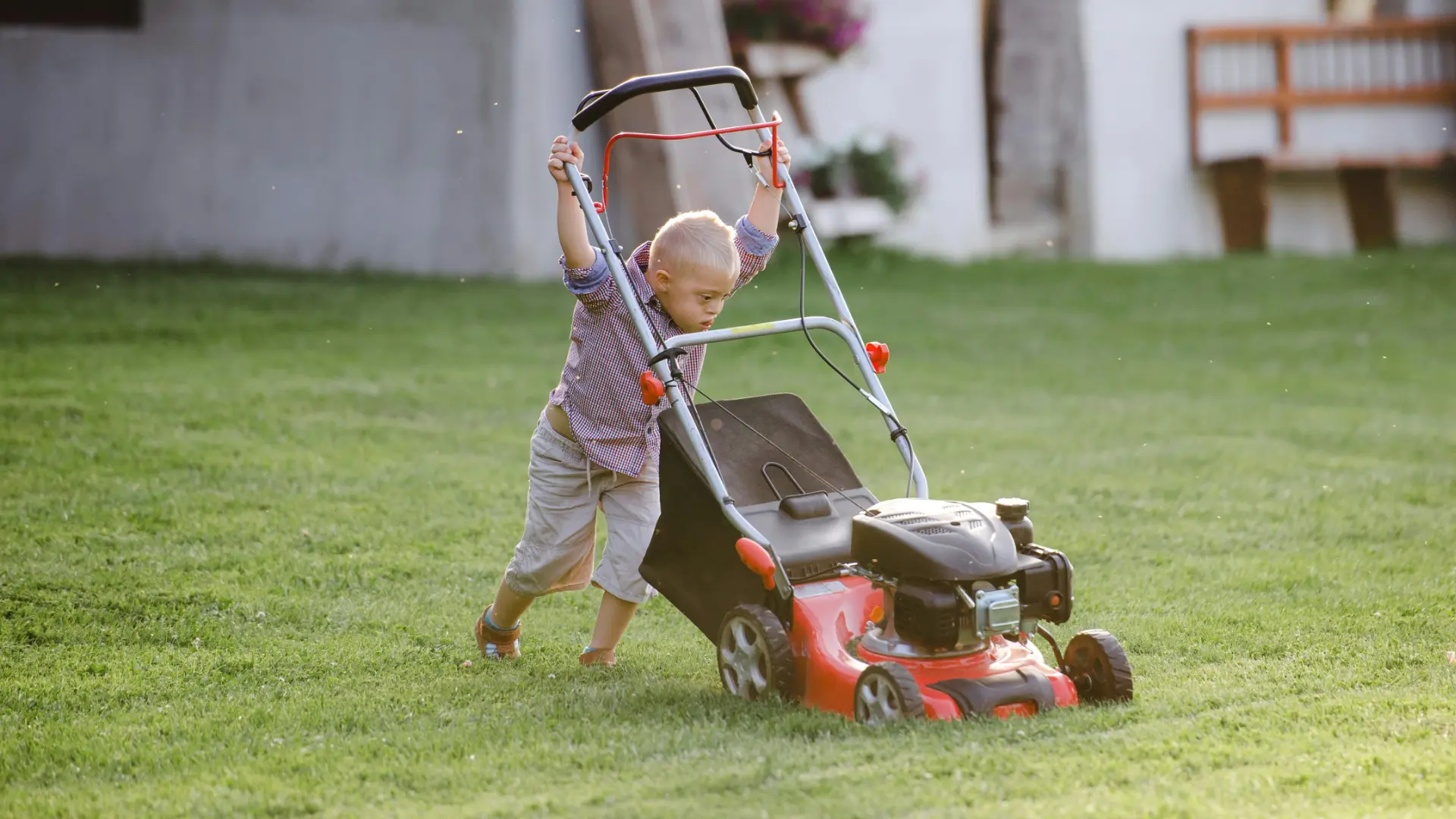
A kid who cuts, edges, and cleans up usually starts between $25 and $40, set by what it is worth to the customer rather than what feels polite to ask. Professionals charge about $30 to $85 a visit, and a young founder who starts below that is being paid less for being unproven, not for being young. Once you have twenty lawns behind you and neighbors who vouch, that reason is gone and the price should go up.
Get a more in-depth answer to:
What should a kid charge to mow a lawn?How should a kid price something they made?
Work out what one item costs to make by dividing a whole batch of supplies by how many it produced, then look at what similar handmade things actually sell for. The number usually lands around three to four times the cost to make, and often more for small items. A kid selling to neighbors is not selling a factory product, they are selling something a specific person they know made by hand, which is worth more rather than less.
Get a more in-depth answer to:
How should a kid price something they made?How should a kid price something they are reselling?
Start from what similar items have actually sold for rather than what people are asking, then work backwards to decide what your kid should pay for it. The profit in reselling is created at the moment of buying, not at the moment of selling. Cleaning the item and photographing it in daylight against a plain wall is usually the highest paid twenty minutes in the whole business.
Get a more in-depth answer to:
How should a kid price something they are reselling?Who wrote this
David Daniel
Co-founder, Founder's Best Friend
David Daniel is the co-founder of Founder's Best Friend and ThriveSide, where he helps founders turn what they are good at into an offer people will actually buy. He created Young Founder to teach the same skill to kids, because being good at something and being able to sell it are two different things, and both can be learned.
Ninety days from a feeling to a first sale
The novel, the workbook, the Parent Guide, the Door Knock Guide, twenty five idea cards, and a ninety day sprint map. Built so a kid runs it and you coach.
A program from Founder's Best Friend. Built for kids 8 to 18 who want something of their own.