The Best First Business for a Shy Kid
Quiet kids get handed businesses built on knocking on doors, and then get blamed for not following through. Here are the ideas that actually fit a shy kid, plus the two skills worth pushing on anyway.
Quiet kids get handed the wrong businesses. Somebody suggests a lemonade stand or door knocking, the kid freezes, and everyone concludes they are not entrepreneurial. What actually happened is that the idea required the one thing that costs them the most.
What actually drains a shy kid
It is not talking to people. Plenty of quiet kids are fine one on one with a neighbor they know. What drains them is volume and unpredictability: forty cold approaches in an afternoon, or standing at a table while strangers walk past deciding whether to engage.
So the businesses that fit are the ones where the work is the product and the talking is small, scheduled, and repeated with the same few people.
See which business fits your kid
Five questions about age, budget, time, and what they actually like doing. Four matched ideas at the end, free, with no email needed to see them.
Take the quizThe ideas that fit
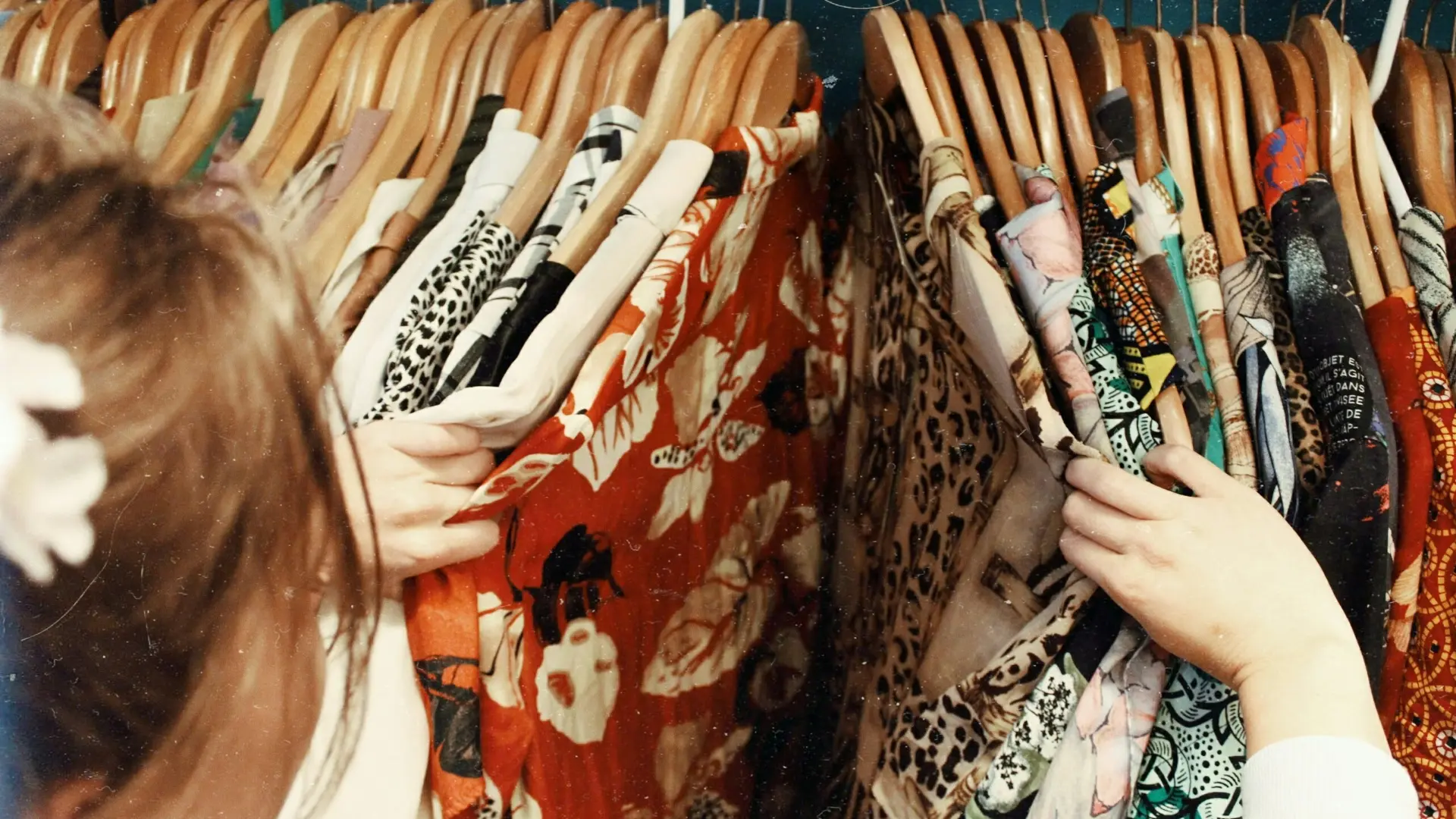
Thrift flipping works because the selling happens through a listing rather than a conversation. Baked goods to a standing list of neighbors works because it is the same eight people every week, and after a month they are asking you. Bracelets, stickers, and custom apparel work because a kid can build a body of work first and let it do the introducing. Plant starters, 3D printing, and online resale all follow the same shape.
Dog walking and pet sitting are worth naming too, because they look social and are not. One conversation to get hired, then weeks of quiet work with an animal.
Window washing belongs on this list as well. The before and after photograph does the selling, which means a kid can show rather than pitch.
Where a shy kid has the advantage
Repeat business is won by reliability, not charisma. The person who shows up when they said they would, does it the same way every time, and does not need managing is the person a customer keeps. That describes a lot of quiet kids precisely.
The loud kid often wins the first sale. The reliable kid wins the fourth, and the fourth is where the money is.
Related guides




The two skills worth building anyway
Not everything should be avoided. Two things are worth pushing on, gently, because everything else depends on them.
First, one prepared sentence. Not a pitch. One sentence that says what they do and what it costs, practiced enough that it comes out without thinking. The first ten customers script is exactly this, and having it removes most of the dread, because the fear is usually about not knowing what to say rather than about the person.
Second, asking for a referral once per happy customer. This is the highest return sentence in a small business and it is asked of someone who already likes them, which makes it the easiest hard thing to practice.
What to skip at the start
Anything with a table and foot traffic. Anything that depends on approaching strangers cold in volume. Not forever, just not first. A shy kid who gets three regulars will try the harder thing in month two on their own terms, and that is a completely different experience than being pushed into it in week one.
Ideas this applies to



One thing not to do as the parent
Do not explain your kid's shyness to customers in front of them. It is meant kindly and it lands as a permanent label. Let them be a person who runs a business, awkwardly at first, without a narrator.
This is the same line the coach not operator guide draws around stepping in: the help that feels kindest is often the help that takes the thing away.
Action Plan
- Rule out the wrong shapes first: no tables, no foot traffic, no cold approaches in volume.
- Pick from the ideas where the work does the selling. Listings, photographs, or a standing list of the same few people.
- Write the one sentence together using the script, and practice it until it is automatic.
- Run the weekend test with ten people your kid already knows, not strangers.
- Aim for three regulars rather than twenty one-off customers.
- Practice the referral sentence once per happy customer. It is the easiest hard thing on the list.
- Do not narrate your kid's shyness to anyone in front of them.
- At month two, let them decide whether to try something with more contact. Their call, not yours.
Related Questions
What age can a kid start a business?
Most kids can run a simple service business by eight or nine, as long as an adult handles the money transfers, the scheduling, and anything involving a stranger's home. What changes with age is not capability, it is how much of the business the kid owns. A twelve year old can set a price and talk to a customer. A sixteen year old can hire a friend and manage a schedule.
Get a more in-depth answer to:
What age can a kid start a business?How does a kid find their first customer?
From people who already know them, and by asking directly rather than advertising. The first customer is almost never a stranger; it is a neighbor or a relative who says yes partly because they like the kid, and that is how most businesses actually begin. Ten specific people asked out loud will beat a hundred flyers.
Get a more in-depth answer to:
How does a kid find their first customer?How should a kid price something they made?
Work out what one item costs to make by dividing a whole batch of supplies by how many it produced, then look at what similar handmade things actually sell for. The number usually lands around three to four times the cost to make, and often more for small items. A kid selling to neighbors is not selling a factory product, they are selling something a specific person they know made by hand, which is worth more rather than less.
Get a more in-depth answer to:
How should a kid price something they made?How should a kid price something they are reselling?
Start from what similar items have actually sold for rather than what people are asking, then work backwards to decide what your kid should pay for it. The profit in reselling is created at the moment of buying, not at the moment of selling. Cleaning the item and photographing it in daylight against a plain wall is usually the highest paid twenty minutes in the whole business.
Get a more in-depth answer to:
How should a kid price something they are reselling?Who wrote this
David Daniel
Co-founder, Founder's Best Friend
David Daniel is the co-founder of Founder's Best Friend and ThriveSide, where he helps founders turn what they are good at into an offer people will actually buy. He created Young Founder to teach the same skill to kids, because being good at something and being able to sell it are two different things, and both can be learned.
Ninety days from a feeling to a first sale
The novel, the workbook, the Parent Guide, the Door Knock Guide, twenty five idea cards, and a ninety day sprint map. Built so a kid runs it and you coach.
A program from Founder's Best Friend. Built for kids 8 to 18 who want something of their own.