Service or Product: Which Should Your Kid Start First?
A service pays sooner and teaches a kid to say a price out loud. A product teaches margin and can sell while they sleep, but ties up money first. For a first business, one of them is usually the right answer.
Every first business is one of two shapes. Your kid either sells their time and effort, which is a service, or sells a thing, which is a product. The two teach different lessons and fail in different ways, and picking the wrong one first is the most common reason a kid stalls out in week three.
What a service actually is
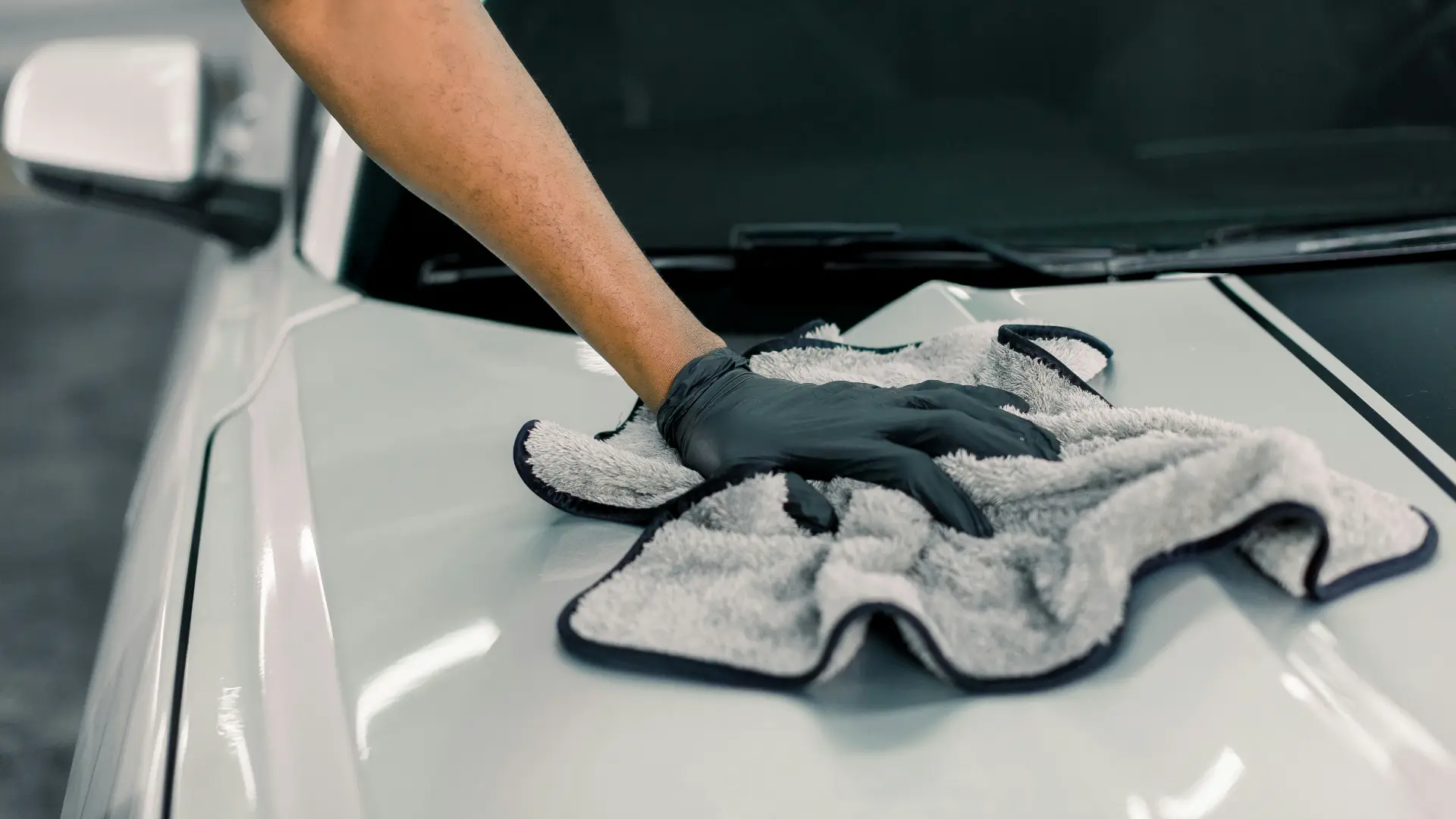
Somebody has a job they do not want to do, and your kid does it. Walking a dog. Detailing a car. Dragging bins to the curb. Watching a six year old for two hours.
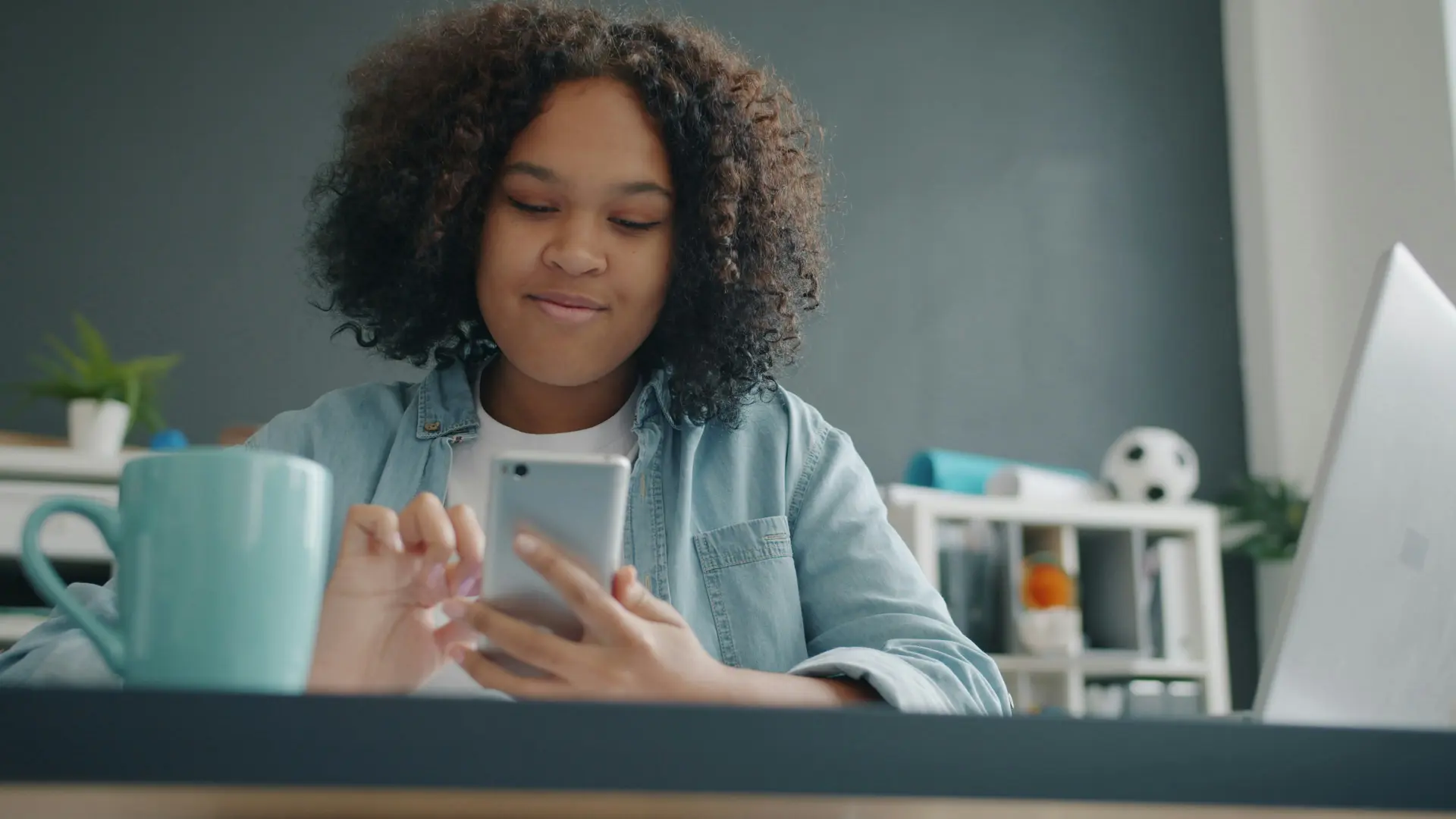
The money arrives almost immediately, which matters more for a kid than for an adult. Nothing has to be bought first. The price is per job, so the arithmetic stays simple. And the lesson it teaches hardest is the one most people never learn: how to say a number out loud to a person and not flinch.
What limits a service is hours. There are only so many Saturdays, and a kid who is fully booked has run out of business unless they raise prices or hire someone. That ceiling is a good lesson, but it is a lesson for month three.
See which business fits your kid
Five questions about age, budget, time, and what they actually like doing. Four matched ideas at the end, free, with no email needed to see them.
Take the quizWhat a product actually is
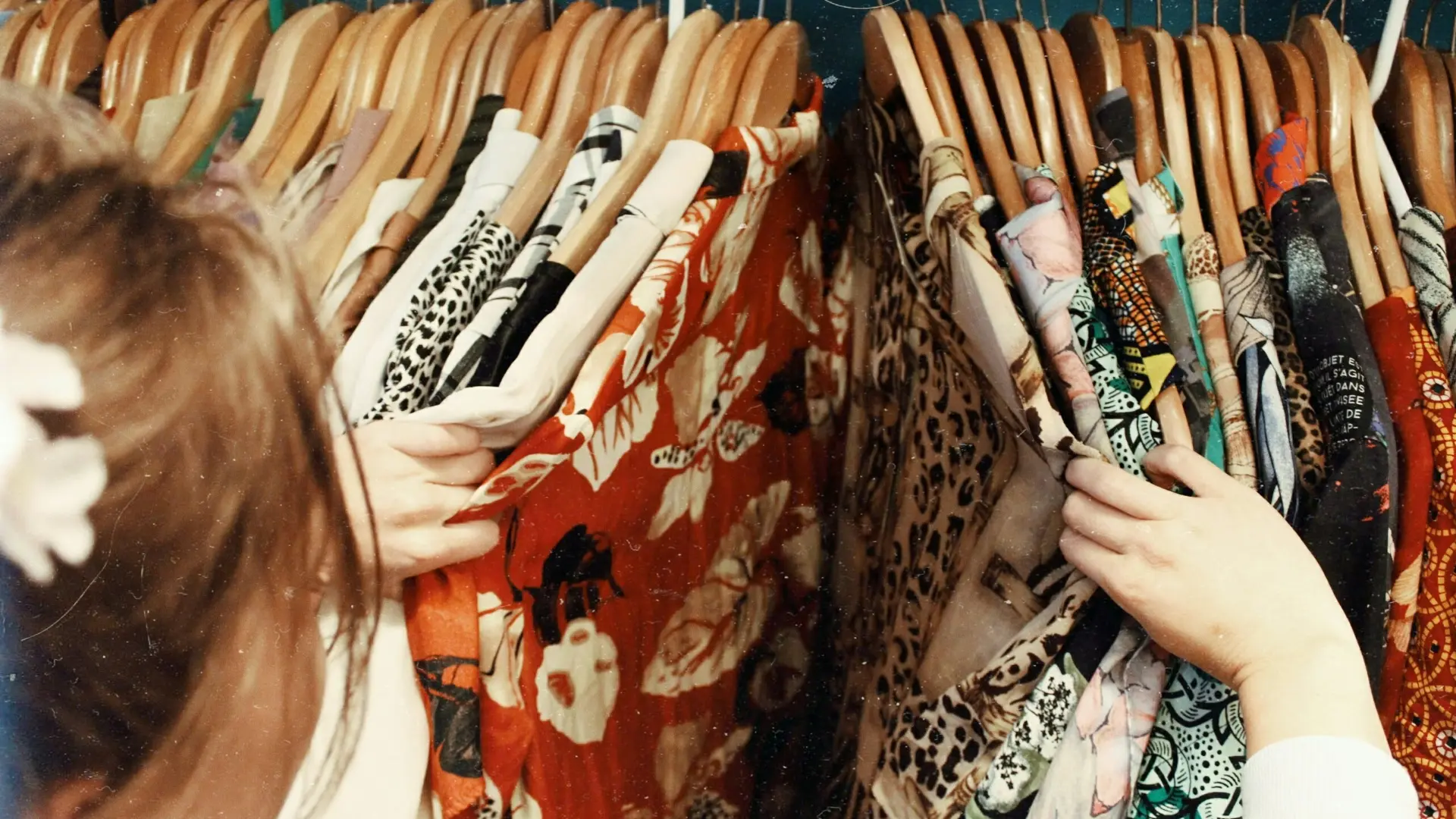
Your kid makes or buys a thing and sells it. Bracelets. Candles. Thrifted jackets. Plant starters. A printed shirt.
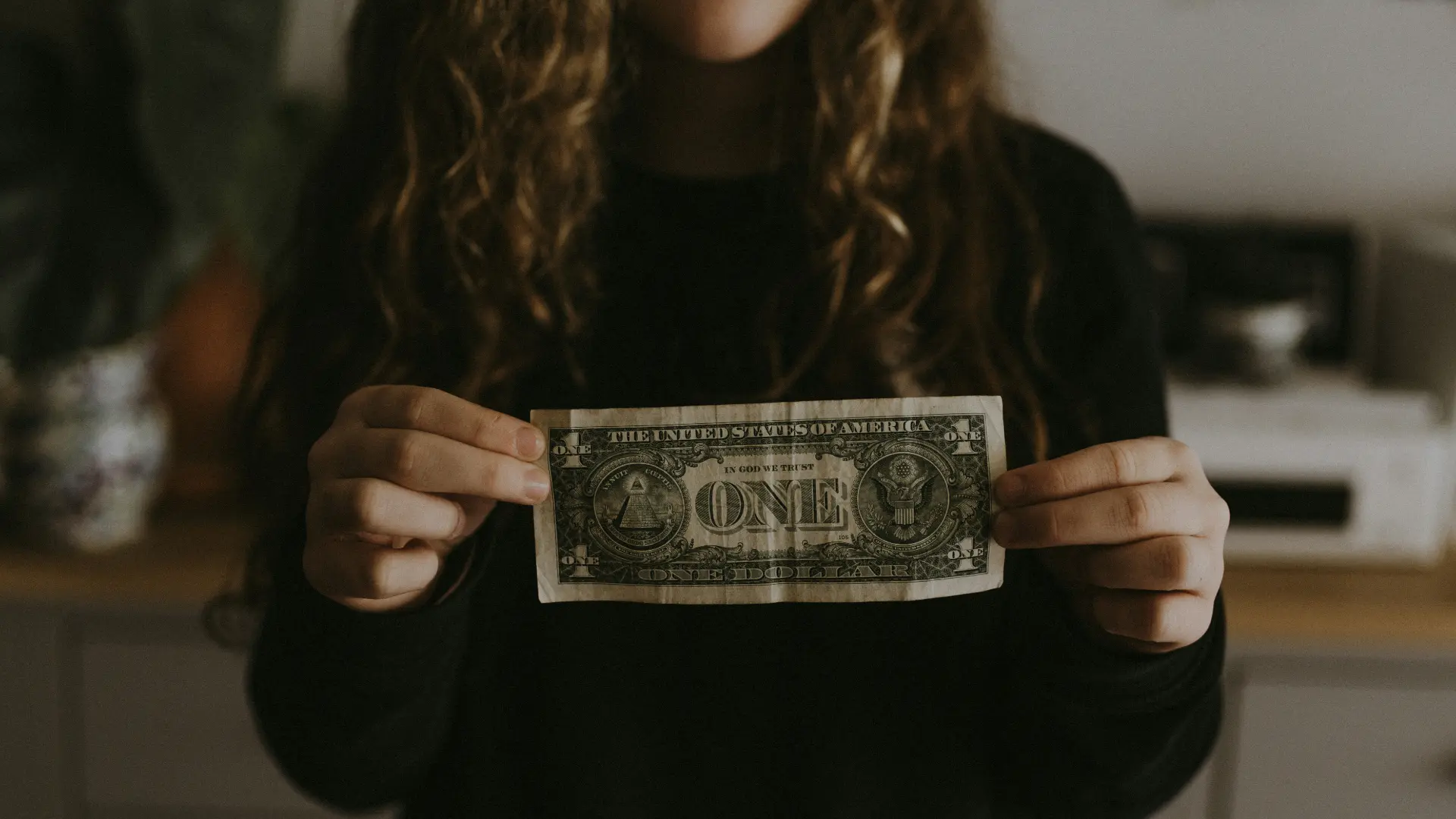
Money goes out before money comes in, which is the whole difference. That gap is where margin lives, and it is why a product teaches the money lesson better than any service can. When a kid buys a jacket for four dollars and sells it for twenty two, they can feel where the sixteen came from.
Pricing works differently too. A service starts from what an adult charges for the same job. A product starts from what one costs to make, or for resale, what similar items actually sold for.
A product can also sell while your kid is asleep, which is the first time most kids encounter the idea that money can be disconnected from hours.
What it risks is unsold stock. A kid with thirty unsold bracelets has learned something real, but they have also learned it while looking at thirty bracelets.
Which one to start with
Start with a service, unless your kid already makes something that people have asked to buy without being prompted.
That exception matters. If a kid is already making things and friends keep asking for one, the demand test has quietly happened already, and a product is the right call. Sophie is in that position in a different way: she is not making anything, but she can see that people throw away things worth money, which is its own kind of proof.
Absent that signal, a service gets a kid to their first paid job faster, and the first paid job is what makes the rest of it feel real. Andre starts with detailing for this reason. Nothing to buy, nothing to store, someone hands him money the same afternoon.
Related guides


The hybrid trap
Kids often want to do both at once. Bake cupcakes and also do birthday party setup. Resist it for the first ninety days. Two businesses means neither one gets a second customer, and the second customer is the entire point of the exercise.
Three questions that decide it
Has anyone already asked to buy something your kid makes? If yes, product. If no, service.
Can your kid handle money going out before money comes in without panicking? If no, service, and revisit later.
Do they want to be around people or away from them? Services usually mean more contact, products usually mean less. This is a preference, not a limitation, but ignoring it is how kids quit. If your kid is on the quiet side, the guide on the best first business for a shy kid goes deeper on which shapes actually fit.
Ideas this applies to


Action Plan
- Ask the first question honestly: has anyone already asked to buy something your kid makes, unprompted?
- If no, pick a service from the idea library and get to a paid job fast.
- If yes, pick the product and work out the unit cost before making a second batch.
- Whichever you pick, run the weekend test before spending anything.
- Commit to one business for ninety days. Write it down. No second idea until the first has a repeat customer.
- Set the price using the method that matches the shape you chose.
- Check the people question. If they want less contact, do not hand them a business built on cold approaches.
- At day ninety, review: did it earn, did it repeat, and do they want to keep going?
Related Questions
What age can a kid start a business?
Most kids can run a simple service business by eight or nine, as long as an adult handles the money transfers, the scheduling, and anything involving a stranger's home. What changes with age is not capability, it is how much of the business the kid owns. A twelve year old can set a price and talk to a customer. A sixteen year old can hire a friend and manage a schedule.
Get a more in-depth answer to:
What age can a kid start a business?How should a kid price something they made?
Work out what one item costs to make by dividing a whole batch of supplies by how many it produced, then look at what similar handmade things actually sell for. The number usually lands around three to four times the cost to make, and often more for small items. A kid selling to neighbors is not selling a factory product, they are selling something a specific person they know made by hand, which is worth more rather than less.
Get a more in-depth answer to:
How should a kid price something they made?How should a kid price something they are reselling?
Start from what similar items have actually sold for rather than what people are asking, then work backwards to decide what your kid should pay for it. The profit in reselling is created at the moment of buying, not at the moment of selling. Cleaning the item and photographing it in daylight against a plain wall is usually the highest paid twenty minutes in the whole business.
Get a more in-depth answer to:
How should a kid price something they are reselling?How much money does a kid need to start a business?
Nothing, if the first step is testing whether anyone wants it. Every idea in the Young Founder library starts with a free test, because the fastest way to lose a kid's interest is to spend forty dollars on supplies for a business nobody asked for. Gear comes out of the first paying customer, not out of your wallet.
Get a more in-depth answer to:
How much money does a kid need to start a business?Who wrote this
David Daniel
Co-founder, Founder's Best Friend
David Daniel is the co-founder of Founder's Best Friend and ThriveSide, where he helps founders turn what they are good at into an offer people will actually buy. He created Young Founder to teach the same skill to kids, because being good at something and being able to sell it are two different things, and both can be learned.
Ninety days from a feeling to a first sale
The novel, the workbook, the Parent Guide, the Door Knock Guide, twenty five idea cards, and a ninety day sprint map. Built so a kid runs it and you coach.
A program from Founder's Best Friend. Built for kids 8 to 18 who want something of their own.